


Identity theft is among the most rapidly expanding financial crimes in the contemporary hyper-connected world. Criminals do not have to steal your wallet to steal your identity anymore, and in many instances, they just require a little bit of personal information. They can open accounts, purchase, file tax returns, or even take loans in your name once they have it.
The most dangerous part? Most victims are oblivious to the turn of events until the damage becomes critical.
By understanding the first warning signs of identity theft, you can take action to reduce losses and enhance your online data protection strategy.
Large financial fraud is not where identity theft always begins. In most cases, it starts once criminals obtain minor fragments of personal data and systematically exploit them. This helps them gain access to accounts or create new financial services under your name.
Typical methods used by criminals to gain personal information are:
These are usually gathered by use of scams through the internet, data breaches, or by stolen papers. Phishing scams are one of the most popular methods by which criminals obtain this information, as attackers pose as reputable organizations to deceive people into sharing sensitive personal information.
Early awareness of such indicators can allow you to act fast to avoid additional abuse of your personal data.
You might find unfamiliar charges on your financial statements, and this may indicate that an unauthorized individual may have accessed your accounts. To test account activity, fraudsters usually make small purchases as they begin before attempting to buy large amounts illegally.
Popular patterns of suspicious transactions entail:
Not even a suspicious charge should be overlooked. The regular review of your financial statements can easily identify fraudulent transactions before they begin using your accounts to perpetrate further fraud.
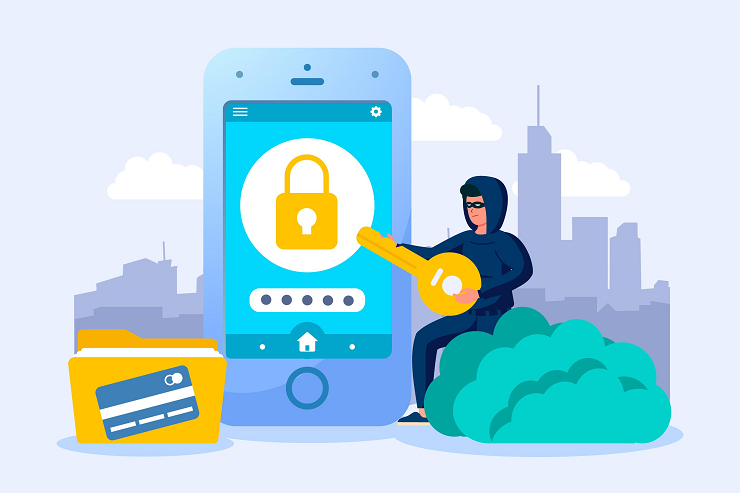
Getting credit card, loan, or service bills that you never even submitted an application for is a good hint that someone could be utilizing your personal details to open fraudulent accounts under your name.
Monitor unknown financial records, including:
It can easily lead to a debt that ruins your credit score and is caused by fake accounts. The timely investigation of these documents can curtail financial losses and discontinue the operations of an identity thief.
Any drop in your credit score with no explanation at all might be a sign of fraudulent activity associated with your identity. Identity thieves also open credit accounts and default on payments, wreaking havoc on your credit report.
The potential causes of unexplained changes in credit are:
By checking your credit score on a regular basis, you can easily notice any suspicious activity. Early detection of such problems will enable you to challenge fraudulent accounts and rebuild your financial reputation in a shorter time.
Modern monitoring systems are employed by financial institutions to identify suspicious account activity. When you get security warnings about suspicious operations you did not initiate, this might indicate an attempt at identity theft.
These security alerts can consist of alerts about:
Newly integrated technologies are entering households, and poorly secured smart home devices are becoming an access point for cybercriminals trying to get into personal networks and sensitive data.
Identity thieves might also steal mail or divert it to access financial statements, replacement cards, or sensitive documents. Loss of critical mail can thus be a red flag of possible identity theft.
The warning signs that may be included in the mail are:
Checking your mail regularly and ensuring your address is up to date can help prevent identity theft attempts in their early stages. This keeps criminals from gaining access to sensitive financial data.
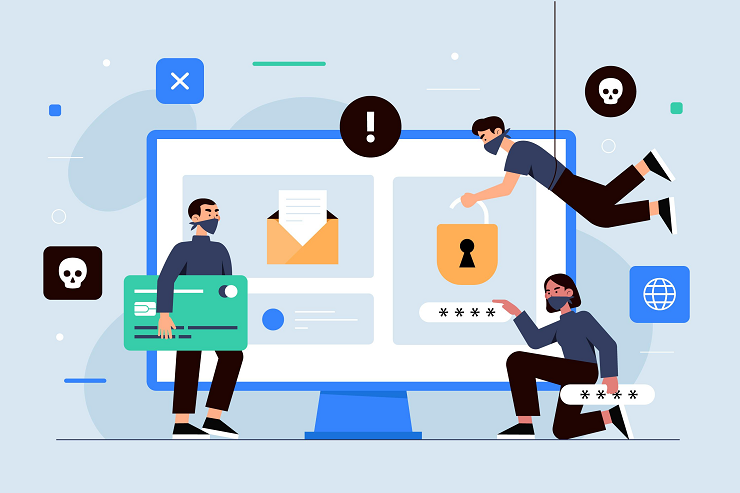
Being called by debt collectors about accounts you do not have, or purchases you did not make are also a great indicator that someone is using your name to take out a loan.
The alert signs in the case of debts are:
In the event that it gets too tricky to do it alone, professional cybersecurity help can provide assistance with the process of having you follow all the procedures necessary to track the fraudulent occurrence and reclaim your financial documents.
The first step to preventing identity theft is to have a proactive mindset and tasks that safeguard your personal information, financial information, and online information. To reduce the possibility of identity theft, it is advisable to take the following useful safety tips:
Two-factor authentication means that, even if someone steals your password, they cannot access your account unless they complete additional authentication.
Your identity is the most valuable in a digital world that needs constant reminders and active trade security practices. With a constantly changing cyber threat landscape, staying up to date on the latest trends and implementing secure practices online can play a big role in protecting your personal data.
If you’re looking for reliable guidance on cybersecurity, fraud prevention, and digital safety, Nerd Alert provides expert insights and resources to help individuals stay one step ahead of modern threats. Contact us today to learn how our experts can help you stay safe online!
CAN IDENTITY THEFT AFFECT CHILDREN OR MINORS?
It is true that sometimes criminals use unutilized Social Security numbers of children to access an account that goes unnoticed for years.
HOW LONG DOES IT USUALLY TAKE TO RECOVER FROM IDENTITY THEFT?
Depending on the system, recovery time can be anywhere, and it may take a couple of months to sort out financial records, disputes, and documentation.
CAN IDENTITY THEFT IMPACT EMPLOYMENT OPPORTUNITIES?
Yes, forgery of records and debts in your name can cause problems with background checks for employers.

I’m a Nerd and very proud of it! I love to write about anything Tech related. Subscribe to our blog for helpful tips, tricks & news.