
Identity theft can surface unannounced, and by the time a family notices something is wrong, the damage may already be done. Stolen personal details can be used to open new accounts, file tax-return fraud, or drain your savings long before anyone realizes what happened.
Many families assume this type of fraud happens only to strangers online. Yet children, parents, and even grandparents become key targets in entirely varied ways. So, getting the right professional cybersecurity help sooner can make it easier to spot warning signs before they become expensive problems later.
Fortunately, a few consistent habits can significantly reduce this risk for the entire household. This often doesn’t require specialized technical prowess or an expensive equipment setup.
In this digital age, individuals share personal details across a dozen apps, accounts, and connected devices within a single household. This gives identity thieves too many ways to spot weak points.
Some common daily habits that expose families to security risks include:
Families should take online data protection seriously instead of leaving everything to a family member with technical knowledge. This closes most of these gaps before the threats become a real, long-term problem.
Here are a couple of effective steps that make a huge difference to keep a family’s identity secure.
Weak or reused passwords are one of the easiest ways online thieves can break into multiple accounts at once. Using a unique password for every login can limit the damage a single stolen credential can cause across an entire household.
Here’s how to make a password truly strong:
So, guide every family member to create strong passwords from the start. This removes one of the most common entry points for online fraud.
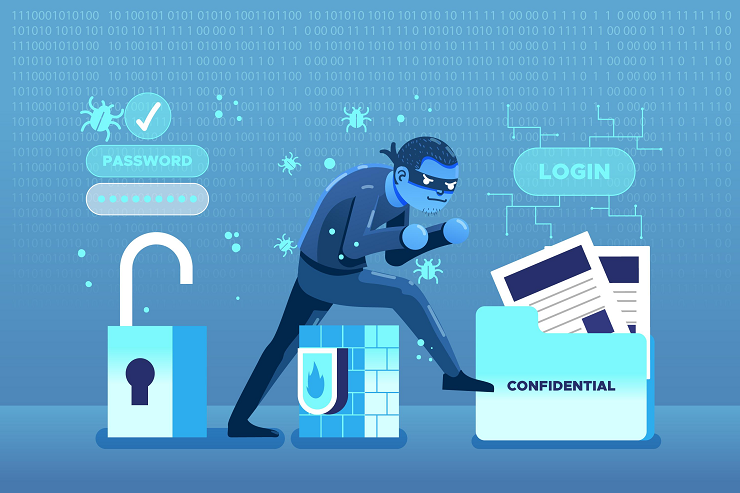
It’s extremely unrealistic for most households to remember dozens of unique passwords. This often leads people to use weaker, repeated passwords for convenience. A dedicated tool would generate and store stronger passwords without overburdening someone’s memory.
Using reliable tools such as “Password Keepers” makes it realistic for a whole family to use strong, unique passwords everywhere without anyone having to memorize them.
Many identity thefts go unnoticed for a long time because people don’t check or monitor their online activity closely. Regularly reviewing statements and credit reports makes it easier to catch scams sooner, while you still have time to act.
Here’s what regular monitoring includes:
Detecting unauthorized activity sooner, instead of waiting months to act, would significantly limit the damage a stolen identity can cause a household.
Children are more vulnerable as they are being targeted because their clean credit profiles have valuable information and are harder to identify as stolen information. By learning to behave safely online when they are young, their future actions will reflect that behavior, even if they later forget the rules.
These are some helpful habits:
A child who learns to be aware and wary at an early age is less likely to share family details with anyone, even in the teen or young adult years.
The damage from identity theft may not become apparent until it is too late. Notifying your household quickly about these warning signs gives you time to react and prevent the situation from becoming irreparable.
If you address these warning signs right away, you may avoid a lengthy recovery period.
In most cases, identity theft doesn’t feel urgent until it happens. That’s why many families address it only after something has gone seriously wrong.
At Nerd Alert, our team helps households put the right safeguards in place by reviewing devices, accounts, and day-to-day behaviours.
Contact us today to help protect your family’s identity and information.
CAN GOOD HABITS EVER BE REPLACED BY SOFTWARE?
Software may catch certain warning signs quickly, but strong daily habits are the most reliable form of long-term protection for any home.
HOW QUICKLY SHOULD A FAMILY RESPOND TO SUSPECTED IDENTITY THEFT?
It is always safer and smarter to act quickly in the first few days to minimize damage, so calling banks and credit bureaus at once is the better option.
ARE OLDER FAMILY MEMBERS AT GREATER RISK OF IDENTITY THEFT?
Yes, they can be. Often, they’re less familiar with cyber fraud. However, with some help, anyone can be as cautious as anyone else.

I’m a Nerd and very proud of it! I love to write about anything Tech related. Subscribe to our blog for helpful tips, tricks & news.